
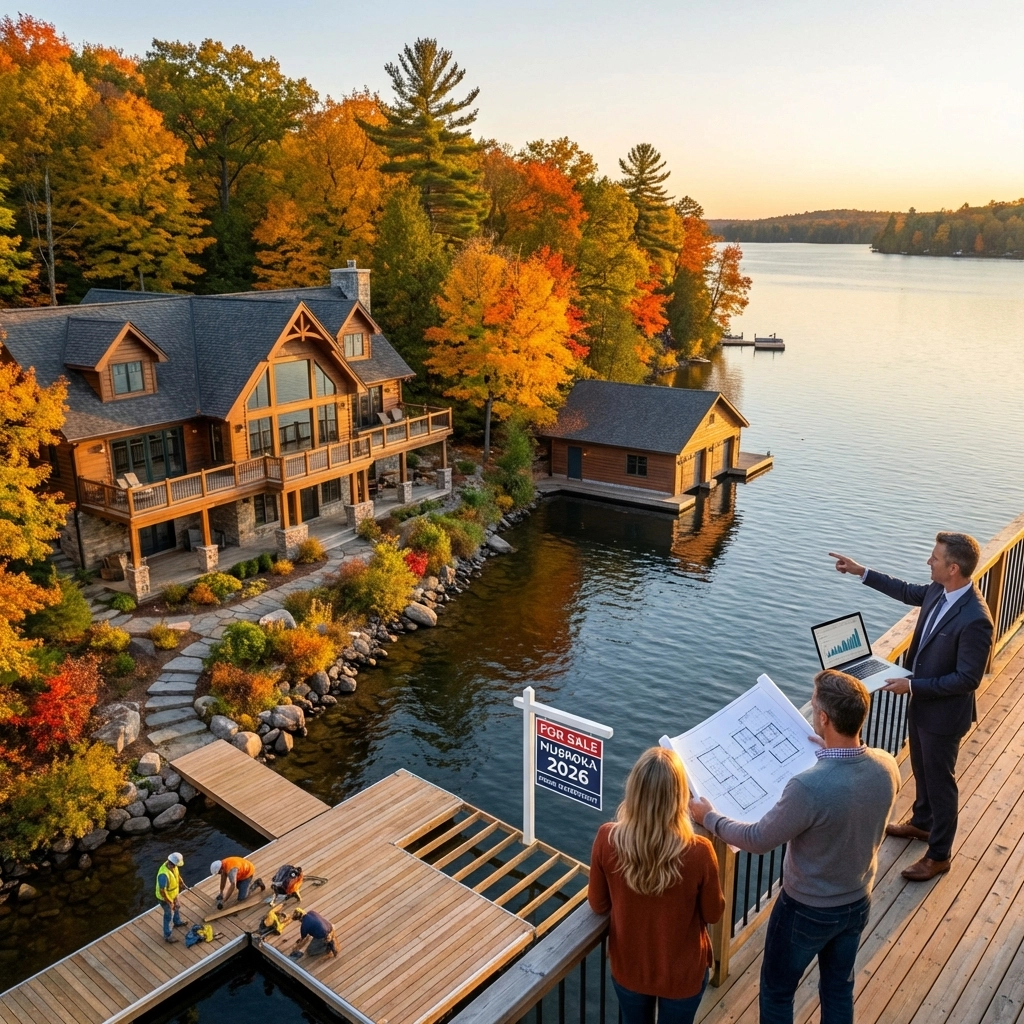
Hi there! Thinking about selling a Muskoka waterfront cottage? Whether you’ve owned it for decades or picked it up during the pandemic rush, 2026 brings opportunities and challenges. This guide walks you through pricing realities, prep work, permits, and the features that make buyers pay more.
Selling a Muskoka waterfront cottage? Learn 2026 pricing, prep, permits, what buyers pay more for, plus checklists, legal tips, FAQs, and an easy valuation step.
If you’re on the buying side of things, you might want to check out our companion post: Buying a Muskoka Waterfront Cottage: 10 Things You Should Know Before You Buy. Additionally, you can view MLS® SOLD data and request a no-obligation valuation to price your cottage with confidence: See SOLD data and request a valuation. Have questions? Book a seller consult.
Want to see what’s on the market? Browse current waterfront listings.
New: Explore our Guides section in the main menu (Buying and Selling) to browse step-by-step resources. You can also find every article on our Guides page from the site posts hub.
1. Selling a Muskoka Waterfront Cottage in 2026: Market Overview
The Muskoka waterfront market has shifted from the frenzy of previous years. Buyer sentiment is cautious, particularly in the luxury segment, and properties are sitting longer than in 2021 or 2022. However, well-priced, well-prepared cottages still move. Additionally, realistic pricing and clean documentation can reduce time on market.
Here’s where pricing stands right now:
Big Three Lakes (Lake Joseph, Lake Rosseau, Lake Muskoka):
- Lake Joseph: $3M–$50M+ (ultra-exclusive, celebrity haven)
- Lake Rosseau: $2M–$20M+ (premium luxury, excellent water quality)
- Lake Muskoka: Broad range depending on location and lot size
Smaller Muskoka Lakes:
- Entry points from $400K–$3M waterfront
- Less boat traffic, quieter atmosphere
- Strong appeal for nature-focused and budget-conscious buyers
The average waterfront property currently hovers around $1.9M, with per-square-foot pricing at approximately $753. Expect the market to soften another 5–10% before stabilizing.
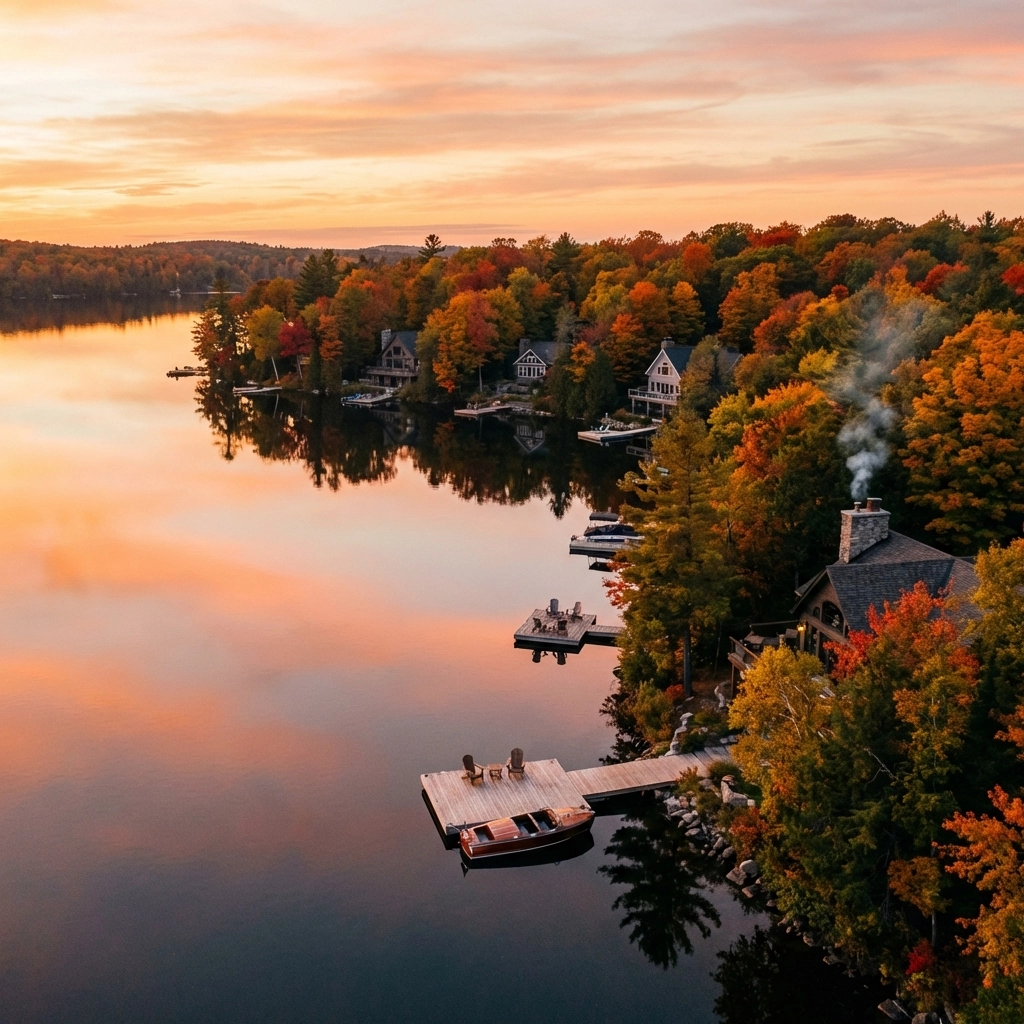
2. What Buyers Pay More For
Not all waterfront is created equal. Here’s what actually moves the needle on price:
Water Quality and Lake Reputation
Properties on the Big Three command premiums for a reason. Crystal-clear water, established prestige, and strict development controls all contribute. If you’re on a smaller lake with good water quality, lean into that in your marketing.
Usable Waterfront
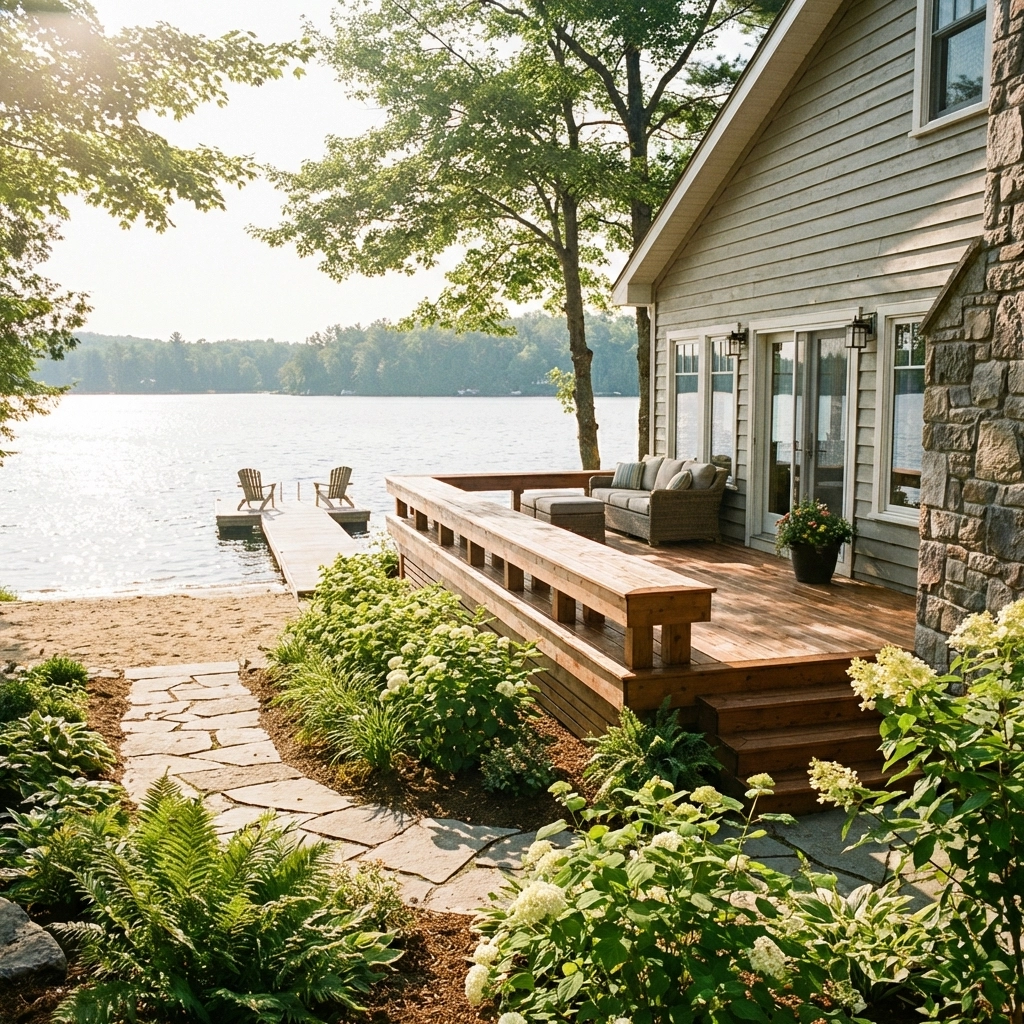
Buyers want to swim, dock a boat, and enjoy the shoreline, not scramble down a cliff. Gradual entries, sandy beaches, and flat dock areas add real value. Rocky, steep, or marshy shorelines can be deal-breakers.
South or Southwest Exposure
Afternoon sun on the water is the dream. Properties facing south or southwest typically attract more interest and higher offers.
Turn-Key Condition
Cottages that are move-in ready with modern systems (updated electrical, good septic, reliable well) outperform those needing significant work. Buyers are less willing to take on projects than they were a few years ago.
Boathouse and Dock Quality
A solid dock is expected. A legal boathouse with a sleeping bunkie above? That’s a premium feature. However, legality matters, unpermitted structures can kill deals.
Year-Round Accessibility
Four-season cottages with winterized plumbing, insulated construction, and maintained road access appeal to a wider buyer pool, including remote workers looking for a permanent escape.
3. Prep Checklist: Getting Your Cottage Sale-Ready
Preparation separates quick sales from listings that linger. First, work through this checklist before you list:
Exterior and Waterfront:
- Clear brush and overgrowth from the shoreline
- Pressure wash the dock and boathouse
- Repair any dock boards, ladders, or swim platforms
- Ensure the septic tank is pumped and inspected
- Get your well tested (bacteria and flow rate)
- Clean gutters and check the roof for damage
Interior:
- Deep clean everything; buyers notice musty smells
- Declutter aggressively (remove personal items, excess furniture)
- Touch up paint on walls and trim
- Service the HVAC system, fireplace, or wood stove
- Fix leaky faucets, running toilets, sticky doors
Documentation:
- Gather all permits (dock, boathouse, septic, renovations)
- Locate your survey and title documents
- Compile utility bills and property tax records
- Note any known easements or shoreline road allowances
- Prepare high-quality, well-lit photos; rename files descriptively (e.g., lake name, sunset dock)
- Write image alt text that is descriptive and, when natural, includes your focus phrase “selling a Muskoka waterfront cottage”
4. Permits and Legal Considerations
Muskoka waterfront comes with layers of regulation. Buyers and their lawyers will dig into these, so get ahead of it.
Septic Systems
Septic compliance is non-negotiable. An outdated or failing system can derail a sale or force a significant price reduction. If yours hasn’t been inspected recently, do it now. Learn more about what a bad septic means for your sale. For standards and responsibilities, review the Ontario Building Code (Part 8: sewage systems) and see the Township of Muskoka Lakes Septic Inspection Program.
Wells
Well water quality and flow rate matter. Get a current water test and flow test completed. Lenders and buyers both want assurance the well can support the property. We’ve covered wells in detail here.
Shoreline Road Allowances
Many Muskoka properties have a 66-foot Crown road allowance between the cottage and the water. If you’ve built structures or landscaped in this zone, buyers need to understand the situation. Disclose it upfront. For policy details on Crown shoreline reserves and dispositions, review Ontario’s road allowances and Crown shoreline reserves policy.
Docks and Boathouses
Permits are required for most dock and boathouse construction. Unpermitted structures can create legal headaches. If you’re unsure about your dock’s status, check with the local municipality or the Ministry of Natural Resources. You may also need an MNRF Crown land work permit for shoreline structures.
Zoning and Short-Term Rentals
Zoning dictates what you can do with the property, and what a buyer can do after purchase. Short-term rental (STR) rules vary by municipality. Some areas have banned or restricted Airbnb-style rentals, which affects investor buyers. Know your zoning and be transparent.
Waterfront Setbacks
Building setbacks from the high-water mark are strictly enforced. If you’ve added structures close to the water without approval, this can become a problem during due diligence.
5. Common Mistakes Sellers Make
Avoid these pitfalls:
Overpricing based on 2021 comps. The market has shifted. Pricing too high leads to stale listings and eventual price cuts that make buyers wonder what’s wrong.
Ignoring deferred maintenance. That leaky roof or sketchy dock will come up in the inspection. Fix it now or expect it to cost you more in negotiations.
Hiding known issues. Ontario’s disclosure requirements are clear. Concealing problems like flooding history, boundary disputes, or septic failures can expose you to legal action. Speaking of flooding, here’s what you should know.
Skipping professional photography. Waterfront sells visually. Dark, cluttered, or poorly framed photos will lose buyers before they ever book a showing.
Not preparing for seasonal timing. Spring and early summer are prime cottage-buying season. Listing in November means fewer eyeballs and buyers focused on holiday plans.

6. Insurance and Winterization
Two things buyers always ask about:
Insurance
Cottage insurance has become more complex and expensive. Properties in flood-prone areas, those with wood stoves, or older electrical systems may face higher premiums or coverage limitations. If you’ve had insurance claims or cancellations, disclose this.
Winterization
If your cottage isn’t four-season, explain the winterization process clearly. Buyers unfamiliar with cottage ownership may not understand the need to drain pipes, shut off water, and prepare for freeze-up. A well-documented winterization routine is reassuring.
7. FAQs for Sellers
Q1: When is the best time to list a Muskoka cottage?
A1: Spring and early summer bring the most buyer activity. However, serious buyers shop year-round. Strong photos, accurate pricing, and easy access can help you sell even in fall or winter.
Q2: How should I price when selling a Muskoka waterfront cottage in 2026?
A2: Start with recent MLS SOLD data on your lake, then adjust for exposure, frontage, condition, and permits. We’ll provide a data-backed range and strategy tailored to your property. See our SOLD data and valuation.
Q3: Do I need staging?
A3: Light staging and decluttering usually suffice. Focus on view lines, docks, and outdoor living areas. Full overhauls rarely return their cost.
Q4: Can I sell if my dock or boathouse lacks permits?
A4: Yes, but expect extra diligence and possible holdbacks. Clarify status with your municipality and disclose early to avoid delays.
Q5: What should I prepare for showings?
A5: Turn on lights, open blinds to the water, tidy patios and docks, and provide septic and well documents. In winter, ensure safe driveway and walkway access and explain your winterization routine.
Q6: Where can I learn what buyers prioritize?
A6: Read our companion buyer guide for perspective: Buying a Muskoka Waterfront Cottage: 10 Things You Should Know Before You Buy. Questions? Book a seller consult.
Summary and Next Steps
Selling a Muskoka waterfront cottage in 2026 requires realistic pricing, thorough prep, and clean documentation. Additionally, highlighting usable shoreline, sun exposure, and legal compliance can boost your result.
We can provide current MLS SOLD data for comparable properties on your lake and a no-obligation valuation with a clear strategy. No pressure—just straightforward guidance to help you decide. For more perspective from the buyer side, read our guide: Buying a Muskoka Waterfront Cottage: 10 Things You Should Know Before You Buy.
See SOLD data and request your valuation. Prefer to talk first? Book a seller consult. Want to compare active listings? Browse current waterfront listings. Looking for more resources? Open the Guides menu (Buying and Selling) at the top of the site to browse all step-by-step articles.
