

Hi there!
Selling a property in Muskoka isn’t like selling a home in the city. Whether you’re listing a waterfront cottage, a vacant lot, or a year-round residence, the expectations and requirements are different, and the mistakes can be costly. In 2026, the market has shifted dramatically from the pandemic peak, and sellers who don’t adapt are leaving money on the table or watching their listings sit unsold.
This guide walks you through the seven most common mistakes Muskoka property sellers are making right now, and how to avoid them.
Mistake #1: Pricing Based on 2021 Peak Values
The biggest error sellers make in 2026 is clinging to outdated pricing logic. During the pandemic, Muskoka properties sold at record highs, often with multiple offers and minimal conditions. That market no longer exists.
Today’s buyers are informed, cautious, and aware of current market conditions. If you price your cottage or lot based on what similar properties sold for in 2021, you’re setting yourself up for extended listing times and eventual price reductions, which signal desperation to buyers and invite low offers.
Instead, work with a broker who has access to current SOLD data and can provide a realistic comparative market analysis. Understanding what properties are actually selling for today, not what they listed for, and not what they sold for five years ago, is critical to pricing competitively from day one.

Mistake #2: Treating Cottages and Land Like Regular Homes
A cottage is not a house with a dock. A vacant lot is not just empty land. Each property type has unique requirements, and failing to address them upfront creates buyer hesitation and renegotiation leverage.
For Cottages:
- Disclose septic system details (age, capacity, inspection records)
- Provide well information (depth, flow rate, potability test results)
- Clarify shoreline buffer zones and any environmental restrictions
- Document lake access rights, boat slip arrangements, and road association fees
For Vacant Land:
- Prove “buildability” with zoning confirmation, setback measurements, and access rights
- Provide perc test results if septic feasibility is a concern
- Clarify whether municipal water and sewer are available or if well and septic are required
- Address environmental constraints such as wetlands, floodplains, or conservation authority restrictions
Buyers won’t proceed without clarity on these issues. If you skip these disclosures, expect delays, reduced offers, or deal collapses during due diligence.
Mistake #3: Neglecting Property Presentation and Curb Appeal
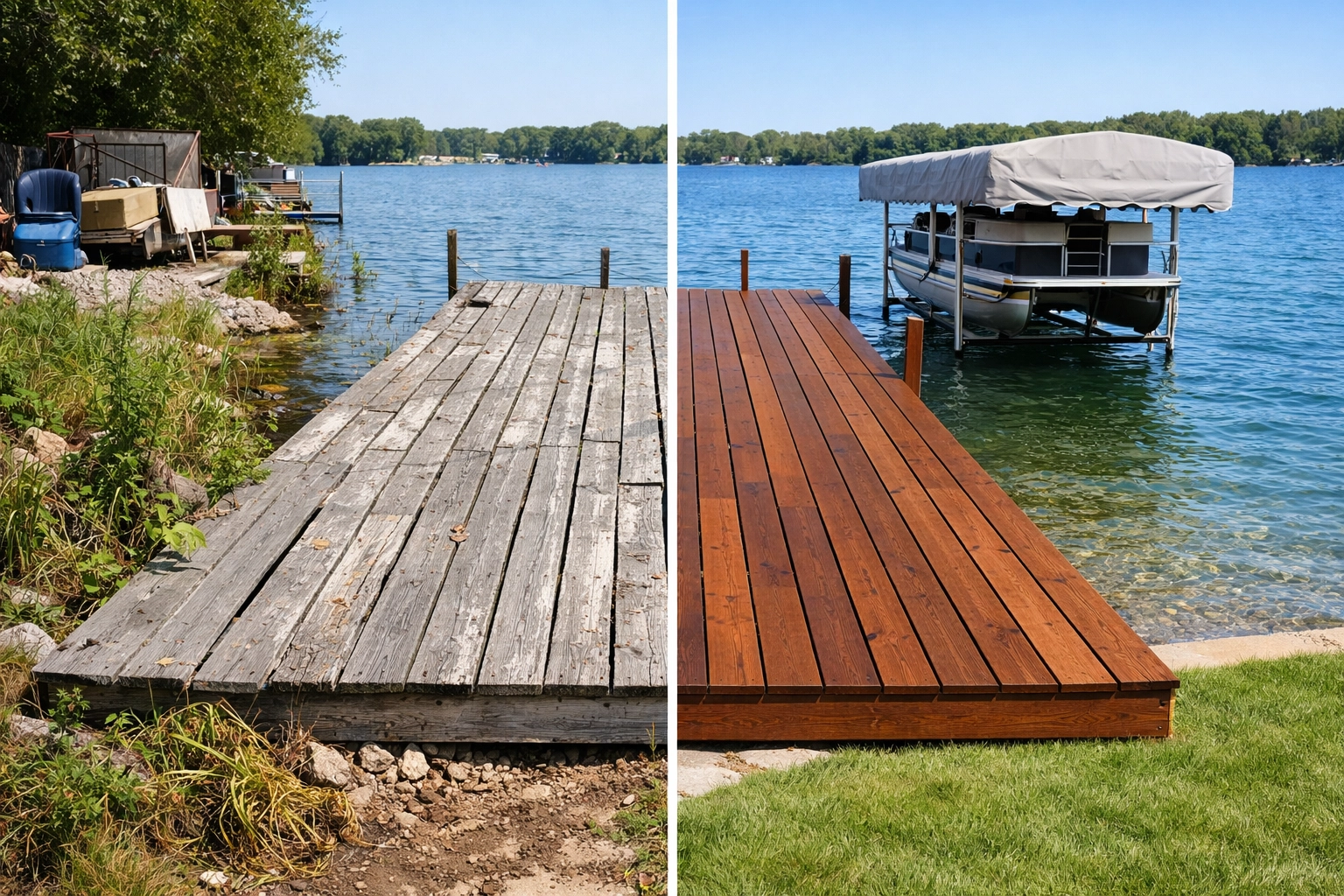
First impressions matter, especially when buyers are comparing multiple properties online before scheduling showings. Small maintenance issues signal larger problems and give buyers ammunition to negotiate aggressively.
Walk your property with a critical eye before listing. Address:
- Peeling paint or faded stain on decks, railings, and siding
- Loose or damaged deck boards and stair treads
- Sticking doors and windows
- Overgrown landscaping or cluttered storage areas
- Dock repairs, boat lift maintenance, and shoreline cleanup
These fixes don’t require major investment, but they dramatically improve buyer perception. A property that looks well-maintained commands higher offers and shorter listing times.
Mistake #4: Ignoring Permit Documentation
Permit history is one of the most underestimated issues in Muskoka property sales. Many cottages and homes have accumulated improvements over decades, additions, decks, docks, boathouses, renovations, and buyers and their lawyers will request documentation for all of them.
If you can’t produce permits, especially for recent work, buyers either walk away or demand price reductions to account for the risk of non-compliance. This is particularly critical for structures near the water, where shoreline road allowance (SRA) permits and conservation authority approvals are required.
Before listing, gather:
- Building permits for additions, renovations, and new structures
- SRA permits for docks, boathouses, and cribs
- Electrical and plumbing inspection certificates if work was done
- Septic system installation and inspection records
If older work was done without permits, which is common, consult with your broker and real estate lawyer about disclosure requirements and mitigation strategies.
Mistake #5: Using Poor Quality Marketing Materials
Your listing photos are your first and most important marketing tool. Dark, cluttered, crooked, or incomplete photos fail to showcase your property’s lifestyle appeal and ask buyers to trust your description, which they won’t.
Professional photography is non-negotiable in 2026. Buyers expect:
- Bright, well-composed interior shots that highlight natural light and space
- Exterior photos that capture the property’s setting and curb appeal
- Waterfront shots showing the dock, shoreline, and lake view
- Drone footage for larger properties or those with unique topography
If your listing photos look like smartphone snapshots, buyers assume the property is either overpriced or poorly maintained, and they move on to the next listing.

Mistake #6: Skipping Pre-Listing Inspections
Many sellers avoid inspections, assuming they’ll save time and money by letting the buyer handle it. This is a tactical error.
A pre-listing inspection allows you to identify and address issues before buyers discover them, on your timeline and budget, not theirs. It also signals transparency and reduces the likelihood of last-minute surprises during the buyer’s due diligence period.
Consider pre-listing inspections for:
- Septic systems (especially if age or capacity is uncertain)
- Wells (flow rate and water quality testing)
- Structural components (foundation, roof, major systems)
- Electrical and plumbing (particularly in older cottages)
When you address concerns proactively, you maintain negotiating power and avoid deal collapses late in the transaction.
Mistake #7: Choosing the Wrong Real Estate Professional
Not all brokers are equipped to sell Muskoka properties effectively. The market requires local expertise, knowledge of property-specific regulations, and access to accurate SOLD data.
Working with a broker who understands septic requirements, SRA permits, zoning bylaws, and conservation authority restrictions makes a measurable difference in your sale outcome. They can also guide you through pre-listing preparation, pricing strategy, and marketing execution.
Andrew John Cocks, Broker of Record at Cocks International Realty Inc., Brokerage, specializes in Muskoka cottages, waterfront properties, and vacant land. With deep local knowledge and a commitment to transparent communication, Andrew helps sellers navigate the complexities of the Muskoka market with confidence.
Frequently Asked Questions
Q1: How much does it cost to fix common selling mistakes before listing?
A1: Most pre-listing improvements are affordable, paint, minor repairs, and landscaping cleanup typically cost a few hundred to a few thousand dollars. Pre-listing inspections for septic or wells range from $500 to $1,500, but they often prevent five-figure price reductions later. Professional photography costs $300 to $800 depending on property size and whether drone footage is included.
Q2: Should I list my Muskoka property in winter or wait until spring?
A2: Winter listings can attract serious buyers who are motivated to close before the summer season. However, spring and early summer traditionally see higher buyer activity. Your broker can provide market-specific timing advice based on current inventory levels and buyer demand in your area.
Q3: What happens if I can’t find permits for older work on my cottage?
A3: Disclosure is critical. If you can’t produce permits, you must inform buyers and their lawyers. Depending on the age and scope of the work, solutions may include obtaining retroactive permits, securing engineer or architect letters confirming code compliance, or adjusting your asking price to reflect the risk.
Q4: How do I know if my property is priced correctly?
A4: Accurate pricing requires access to current SOLD data, not listing prices or asking prices, but actual sale prices for comparable properties. A qualified broker will provide a comparative market analysis that accounts for location, waterfront features, property size, condition, and recent market trends.
Q5: Can I sell my Muskoka property without a real estate broker?
A5: Legally, yes: but it’s rarely advisable. Muskoka properties involve complex disclosures, regulatory compliance, and buyer due diligence that most private sellers underestimate. Brokers also have access to MLS® marketing, SOLD data, and professional networks that significantly expand your buyer pool and sale price potential.
Final Thoughts
Selling a Muskoka property in 2026 requires more than sticking a sign in the ground and waiting for offers. Pricing strategy, property presentation, regulatory compliance, and professional marketing all play critical roles in achieving a successful sale.
By avoiding these seven common mistakes, you position your property competitively, reduce negotiation friction, and maximize your sale outcome. Whether you’re selling a waterfront cottage, a vacant lot, or a year-round home, the right preparation and guidance make all the difference.
If you’re considering selling in Muskoka, start with a free property valuation to understand your property’s current market value. Andrew John Cocks and the team at Cocks International Realty Inc., Brokerage are here to help you navigate the process with confidence.
