

Hi there! If you’re planning to sell property in Muskoka in 2026—whether it’s vacant land, a year-round home, or a cottage—you’re stepping into a market that looks very different from the 2021-2022 peak. Buyers are more careful, inventory is higher than it was at the frenzy, and pricing and prep matter more than ever.
The good news? Most expensive selling mistakes are totally avoidable. And the fixes are usually straightforward. The key is making sure your plan fits your property type—because what can derail a land sale is not always what derails a cottage sale, and a residential home has its own “gotchas,” too.
Let’s walk through the seven biggest mistakes Muskoka sellers are making in 2026, and how you can sidestep each one.
1. Selling Land Without Proving “Buildability” (Zoning, Setbacks, Environmental)
Vacant land can look simple to sell. However, “simple” is exactly where sellers get burned. Buyers don’t just want a pretty lot—they want to know what they can actually build, and whether the property is likely to pass the usual hurdles.
Common deal-killers include:
- Zoning that doesn’t match the buyer’s plan (seasonal vs. residential use, minimum lot size, etc.)
- Setbacks and shoreline rules that squeeze the build envelope
- Access issues (no registered right-of-way, unmaintained road, or unclear entrance)
- Environmental constraints (wetlands, steep slopes, flood risk areas)
- Servicing questions (can you install a well and septic where the house would go?)
What to do instead: Before listing, confirm zoning and permitted uses with your municipality, and gather any documents you already have (survey, zoning letter, severance paperwork, road access documents). If there are known constraints, consider getting ahead of it with the right professional reports (for example, a septic suitability review for a future build, or an environmental screening where appropriate). Clear, documented answers make buyers more confident—and keep negotiations from turning into “let’s take $50,000 off for the unknowns.”
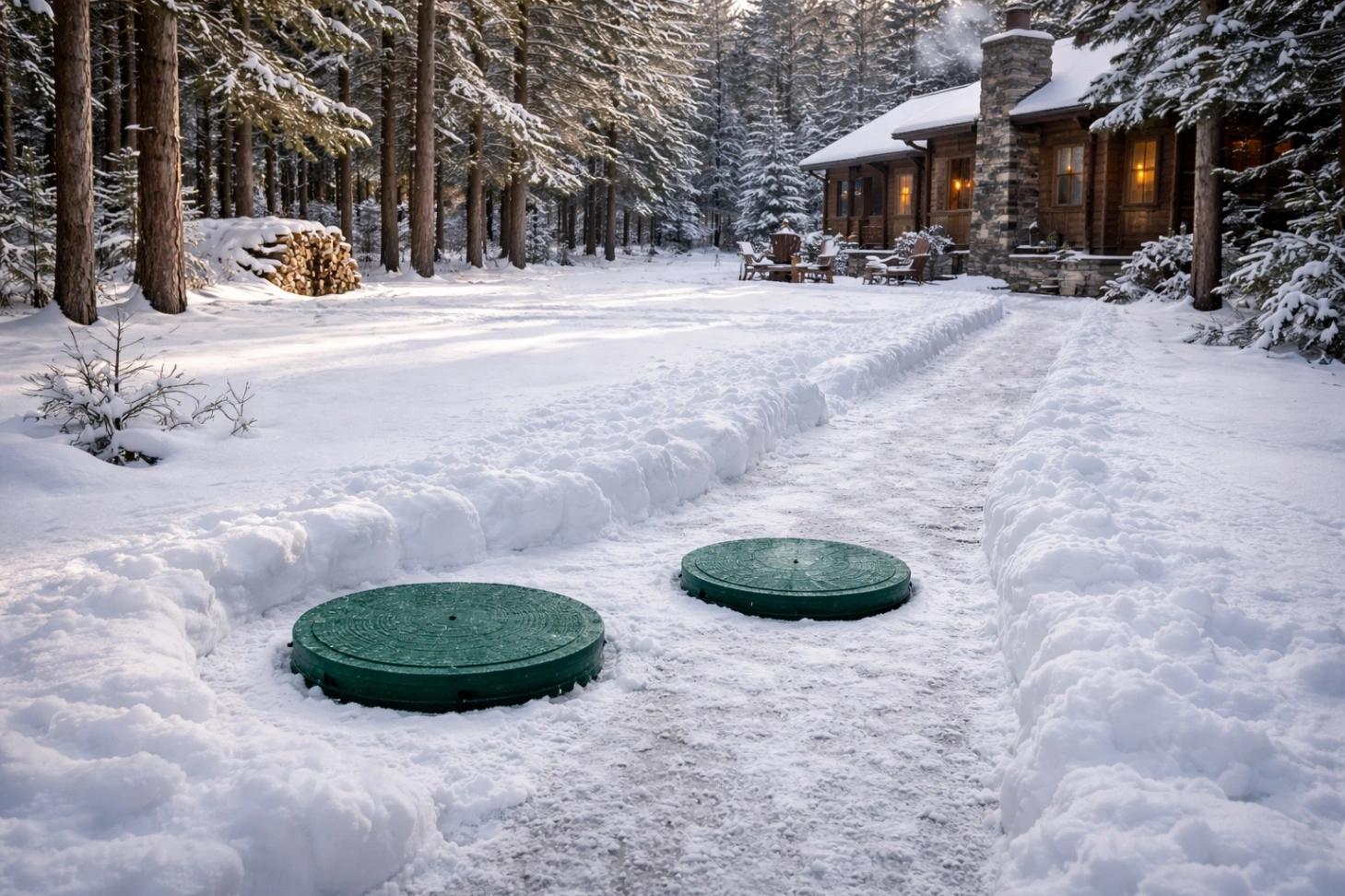
2. Treating a Cottage Like a Regular Home (Skipping Septic/Well + Shoreline Buffers)
Cottages come with extra systems and extra rules. If you wait until after an offer to deal with them, you’re inviting price drops, longer conditions, and buyer hesitation.
Two big areas:
- Septic and well: Buyers will ask about age, type, and any known issues. A surprise problem often turns into renegotiation.
- Shoreline buffer zones: Muskoka’s shoreline rules and naturalized buffers are a real thing. Over-clearing to “improve the view” can create compliance issues, restoration orders, and concerns for eco-minded buyers.
What to do instead: If your property has septic and/or a well, consider pre-listing inspections or testing so you’re not scrambling under a deadline. Additionally, review shoreline bylaws for your municipality and lake. If you’ve made shoreline changes in the past, it’s worth confirming you’re onside before you list. Clean paperwork and clear disclosures keep your deal moving.
3. Pricing Like It’s Still the 2021 Peak (Instead of the 2026 Reality)
This is the fastest way to lose money in 2026—whether you’re selling a lot, a house in town, or a waterfront cottage. The pandemic peak pricing logic doesn’t work anymore, and buyers know it. If you list based on “what it would’ve sold for in 2021,” you usually end up chasing the market down with price reductions.
In 2026, the winning strategy is simple: price where buyers are today, not where they were in a bidding-war era. Overpriced listings sit, stack up days-on-market, and start to feel like “something must be wrong,” even when nothing is.
What to do instead: Use current, local comparable sales—not old headlines or a neighbour’s 2021 result. If you want to see what’s actually closing (not just what’s listed), review recent Muskoka sold data and look for properties that truly match your type: land vs. residential vs. waterfront cottage. The right price up front is usually the best leverage you’ll get.
4. Skipping Curb Appeal and a Pre-Listing Walkthrough (Homes + Cottages)
If you’re selling a residential home, curb appeal isn’t “nice to have.” It’s the first showing. And if you’re selling a cottage, the driveway, dock area, decks, and exterior condition do the same job.
Small issues become big negotiating points: peeling paint, loose railings, sticking doors, damaged deck boards, messy storage areas, old screens, and tired landscaping. Buyers read these as deferred maintenance—and then they price your home like it’s a project.
What to do instead: Do a pre-listing walkthrough (ideally with a checklist) and handle the easy wins:
- Clean up the entry, driveway, and exterior
- Tidy landscaping and trim back overgrowth (especially sightlines to water)
- Fix small safety items (handrails, stairs, lighting)
- Patch and paint where needed
- Get quotes for larger items so negotiations don’t become guesswork
A weekend of prep can protect your price far more than it costs.
5. Missing Permit History (Docks, Decks, Additions, Renovations)
Permit history matters more than most sellers expect—especially in Muskoka, where properties often have a long list of improvements over the years. Buyers (and their lawyers) commonly ask for documentation on things like:
- Docks, boathouses, and shoreline work
- Decks, additions, structural changes
- Finished basements, woodstoves, or major electrical/plumbing changes
- Older renovations that may not have a clear paper trail
Missing permits can raise safety and compliance questions, slow down the lawyer review, and sometimes spook a buyer into walking away.
What to do instead: Gather what you have before you list: permits, receipts, surveys, drawings, and any municipal approvals or letters. If you discover work may have been done without permits, don’t ignore it—talk with a real estate lawyer about the best way to disclose and handle it. Getting organized early prevents last-minute surprises.
6. Using Photos That Don’t Sell the “Muskoka Lifestyle” (Land, Homes, and Cottages)
In 2026, your photos do most of your marketing before a buyer ever books a showing. If the photos are dark, cluttered, crooked, or missing key angles, you’re basically asking buyers to “trust you”—and they won’t.
This applies to every property type:
- Vacant land: Show the access, topography, frontage, and a sense of scale (not just trees).
- Residential homes: Bright, clean, accurate room shots—plus curb appeal.
- Cottages: Water views, dock area, fire pit, sunset angles, and indoor-outdoor flow.
What to do instead: Invest in professional photography, and use it strategically. Drone shots can be especially helpful for waterfront properties and larger lots because buyers want context—where the building sits, how the shoreline lays out, and what the setting feels like. If you want to see what strong presentation looks like in the current market, browse current Muskoka properties for sale.

7. Ignoring 2026 Ontario Mortgage Rules (They Change Your Buyer Pool)
You don’t need to be a mortgage expert to sell real estate in 2026, but you do need to respect one simple truth: rule changes and tighter lending can shrink (or shift) the pool of qualified buyers.
This hits property types differently:
- Vacant land can be harder for some buyers to finance, especially if it’s raw land without clear build plans or services.
- Cottages may face extra lender scrutiny (seasonal access, winterization, water source, septic type, and insurance considerations can all come up).
- Residential homes tend to have the broadest financing options, but affordability still matters—and buyers are more payment-sensitive than they were at the peak.
What to do instead: Price and market with the real 2026 buyer in mind. Strong documentation (permits, surveys, septic/well info, and clear disclosures) helps reduce uncertainty, which can help a buyer’s financing and insurance process move smoother. Additionally, flexible closing dates and clean offer terms can make your listing more attractive without “giving away” your price.
Frequently Asked Questions
Q1: Should I wait until spring to list in Muskoka?
A1: Not always. Spring can bring more eyeballs, but listing earlier can mean less competition and more serious buyers. The best timing depends on your property type (land vs. home vs. cottage), access, and how strong your presentation is.
Q2: What do buyers ask for when buying vacant land?
A2: Expect questions about zoning, permitted uses, setbacks, road access, services (well/septic), and whether the lot is realistically buildable. The more you can document upfront, the smoother the sale usually is.
Q3: What are the biggest “inspection” items for cottages?
A3: Septic, well/water source, and anything shoreline-related tend to come up early. Buyers also pay close attention to access, winterization, and signs of moisture or structural wear.
Q4: Do I need to do repairs before listing my home?
A4: You don’t have to do everything. However, it’s smart to handle the obvious stuff that buyers will use to negotiate: safety items, visible damage, and anything that makes the property feel neglected. A pre-listing walkthrough helps you prioritize.
Q5: Where can I see real Muskoka sold prices to help with pricing?
A5: You can review recent Muskoka sold data to see what’s actually closing. Sold comps are usually the clearest way to price for the 2026 market (not the 2021 peak).
Final Thoughts
Selling in Muskoka in 2026 can be daunting because buyers are cautious and the market isn’t behaving like the 2021-2022 peak. The upside is that good strategy stands out more than ever.
The seven mistakes above can cost you thousands, but they’re avoidable. Prove buildability for land, prep and present homes properly, handle cottage systems and shoreline rules early, price based on 2026 sold comps, get your permit history in order, invest in lifestyle-level photography, and remember that financing rules shape who can buy what.
If you want a realistic plan for your specific property type, you can request a home valuation or contact Cocks International Realty Inc., Brokerage to connect with Andrew John Cocks. For additional info about our team and service area, visit our About Us page. You can also review our Privacy Policy.
